Direct Response Daily ·
Google Ads channel priority limits in PMax; Meta caps Facebook page links
Google's new channel priority controls still bundle Search and YouTube in Performance Max, and Meta now limits Facebook pages to two link posts a month without Meta One. Plus free ChatGPT business agents and reported budget moves from Google to Meta.
Google Ads channel priority controls help, but PMax still can't split Search from YouTube
Search Engine Journal walks through Google Ads' Channel Prioritization and Budget Allocation controls, which let advertisers rank eligible channels and cap spend on lower-priority inventory. In Performance Max, Search, YouTube, Discover, Gmail and Maps are bundled as one Google channels group with no separate priorities.
Under Target CPA or ROAS, priority does not override the bid target, and Google says tiers generally won't shift allocation when budget isn't limiting. Allocation percentages use average daily budget rather than actual spend, and nonzero limits are best-effort.
Why it matters
Check network results, including lead quality, before restricting partners. Test in one campaign, translate percentages into dollar amounts, and recheck allocations when raising budgets or using shared budgets.
Source: Search Engine Journal: Google Ads Channel Priorities Have Limits – What PMax Still Won’t Let You Split · Nov 11, 2026
Meta enforces a two-link monthly cap on Facebook pages unless they pay for Meta One
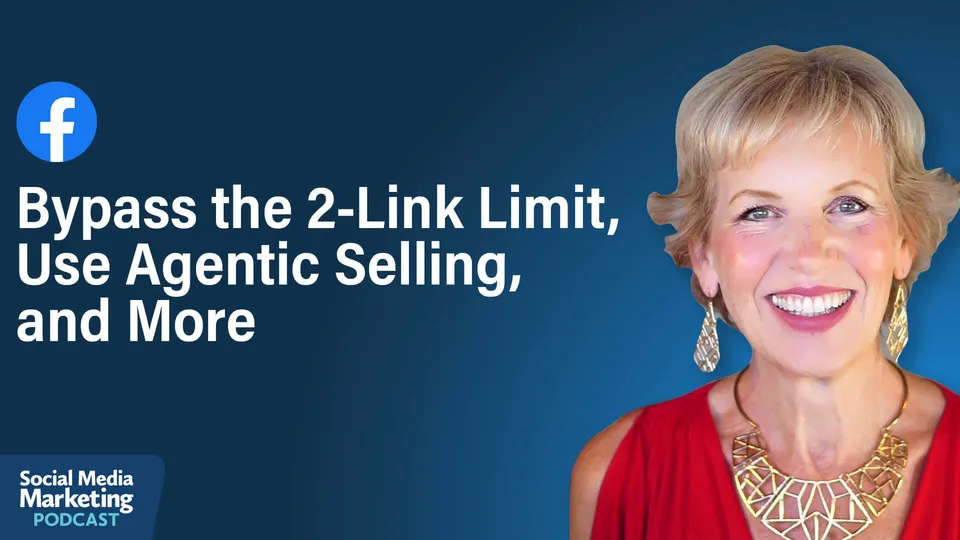
According to Social Media Examiner, Meta now limits Facebook pages and profiles to two posts with external links per month unless they subscribe to Meta One, after testing it since December 2025. Links in comments count, and links past the cap aren't clickable. Media publisher pages are reportedly exempt.
Meta One Advanced costs $50 monthly for 8 Facebook links; unlimited Facebook links need the $500 tier. The piece also covers Meta's Muse agent, which Meta says requires approval before publishing, messaging or buying.
Why it matters
If organic Facebook posts feed your funnels, audit link usage and consider DM comment triggers, page action buttons or Meta-property links. Review Muse permissions carefully before connecting pages or ad accounts.
Source: Social Media Examiner: What’s Next for Facebook? 4 Changes Businesses Can’t Ignore · Nov 12, 2026
OpenAI offers free ChatGPT business agents alongside the sponsored version it is testing

Digiday reports businesses can now claim and verify a ChatGPT profile through a Business Hub, and US ecommerce and online services firms can publish a labeled business agent. OpenAI describes it as the organic counterpart to the paid sponsored agent it has been testing. Brands receive conversation themes, not transcripts, and cannot bring their own agents.
The Insights beta shows mentions, views and website clicks, which OpenAI says are not completed visits or purchases. A paid model was not ruled out.
Why it matters
Vendors may want to tidy product feeds and watch eligibility outside the US. Treat ChatGPT click counts as engagement signals, not conversions, and keep your own tracking since checkout happens on your site.
Source: Digiday: OpenAI’s new business agents give brands a free way into the conversation it’s also selling as an ad · Nov 10, 2026
Some advertisers reportedly shift budget from Google to Meta as AI search ad formats spread
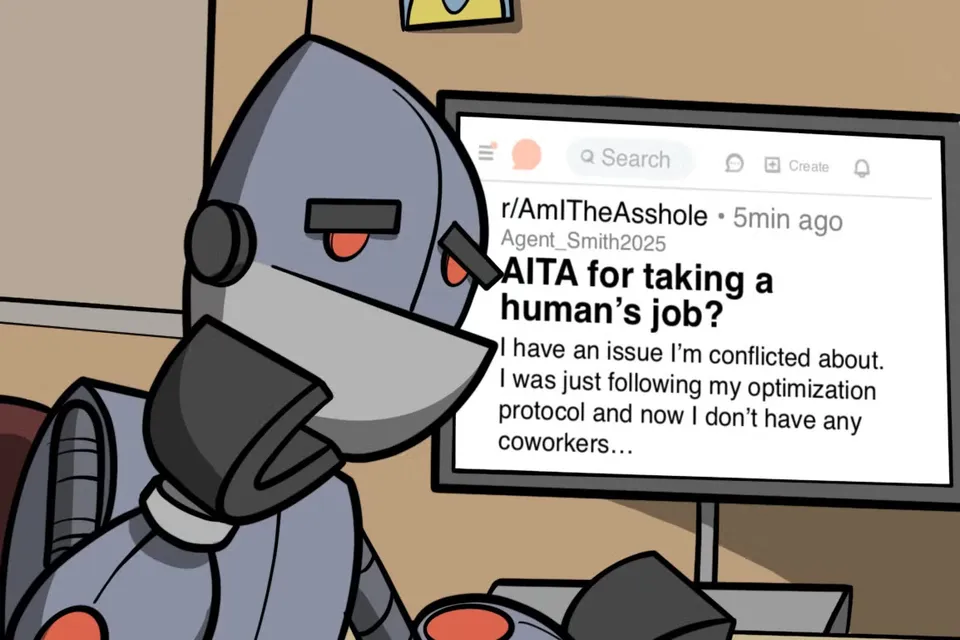
AdExchanger's roundup says Google's stock fell over 10% after Q3 earnings, mostly on slower search ad growth it links to AI Mode, and cites six advertisers and agency executives who told The Information they moved spend to Meta. It also notes ChatGPT visual ads starting to appear, Google multi-turn AI Mode ads reported in the wild, Bing ads in its AI Mode and AI Overviews, and Yahoo Scout leaving beta.
Why it matters
Buyers seeing weak delivery on Google may want to track reach closely and compare results on Meta. AI search inventory is described as limited, so expect small tests and review claims for new placements.
Source: AdExchanger: Google’s AI Ad Losses Are Meta’s Gain; Chatbot Ad Formats Are Starting To Multiply · Nov 11, 2026
How this brief is made: every morning we scan official marketplace and ad platform blogs, regulators and trade press, pick the stories that matter for direct response, and summarize them with AI. Each summary is checked against its source before publishing. Always read the original before acting. Editorial policy.